


Personalized Service
& Tailored Solutions
Complex problems require nuanced solutions. The Office of Strategic Consulting provides services tailored to your needs on everything from individual unit-level projects to university-wide initiatives.
What's New
Organizational Office Hours
One-hour consultations available to faculty and staff at no cost
Showcase 2024
April 18: Register now!
Read Our Latest Case Study
Research Administration Modernization Project

Services
We work with you as a collaborative thinking partner to develop creative solutions from start to finish.







Surpass Your Goals
We’ll help you create a roadmap to advance your initiatives and achieve excellence.
What to Expect:
Skill & knowledge building
Expert facilitation
Inclusive engagement
Scalable solutions
Strategic thinking
Case Study
Research Administration Modernization Project
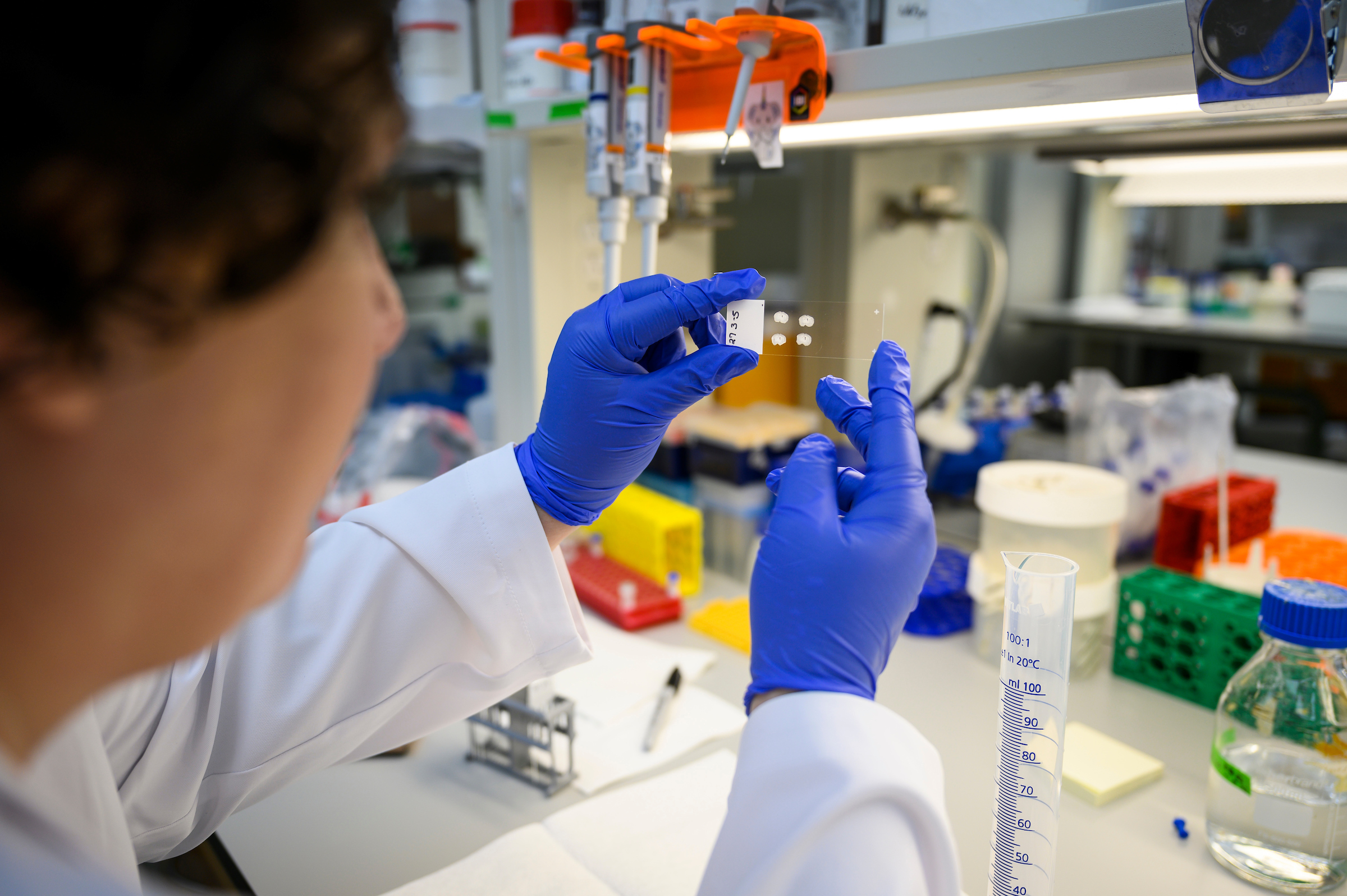
Project management experts from Strategic Consulting played a pivotal role in ensuring the progress and completion of the Research Administration Modernization Project. This initiative, a vital component of the broader Administrative Transformation Program, reduced the complexity of research software systems to standardize and simplify research administration at UW–Madison.
It’s All in the Numbers!
campus strategic framework.
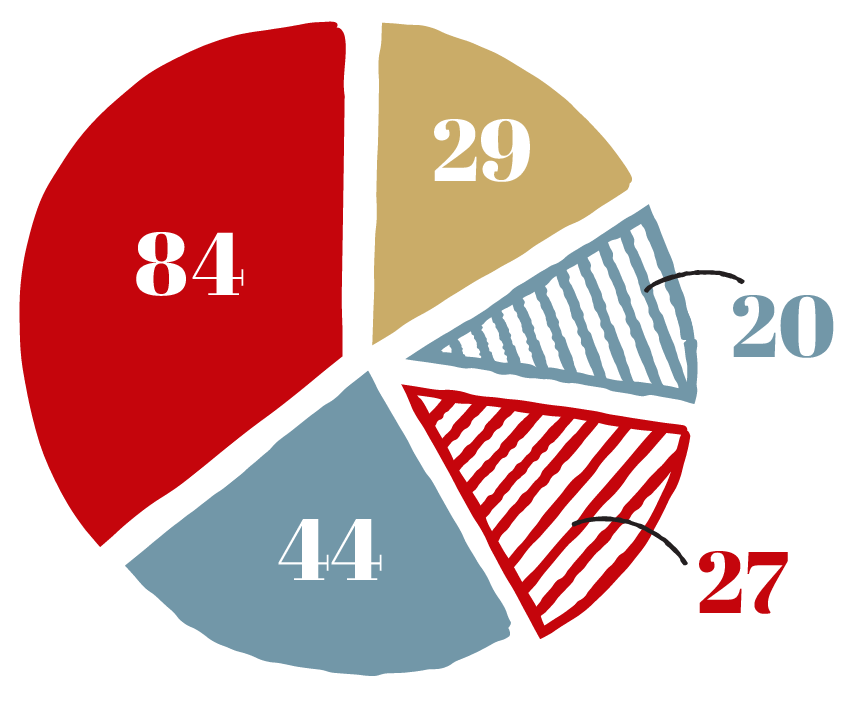
Fiscal Year 2023 # of Active Engagements by Campus Strategic Priority

Campus Community (44)

Research & Scholarship (20)

High-Performing Organization (84)

Wisconsin Idea (27)

Teaching & Educational Achievement (29)
176
new requests
for our services
91%
of campus units served
$6.0M